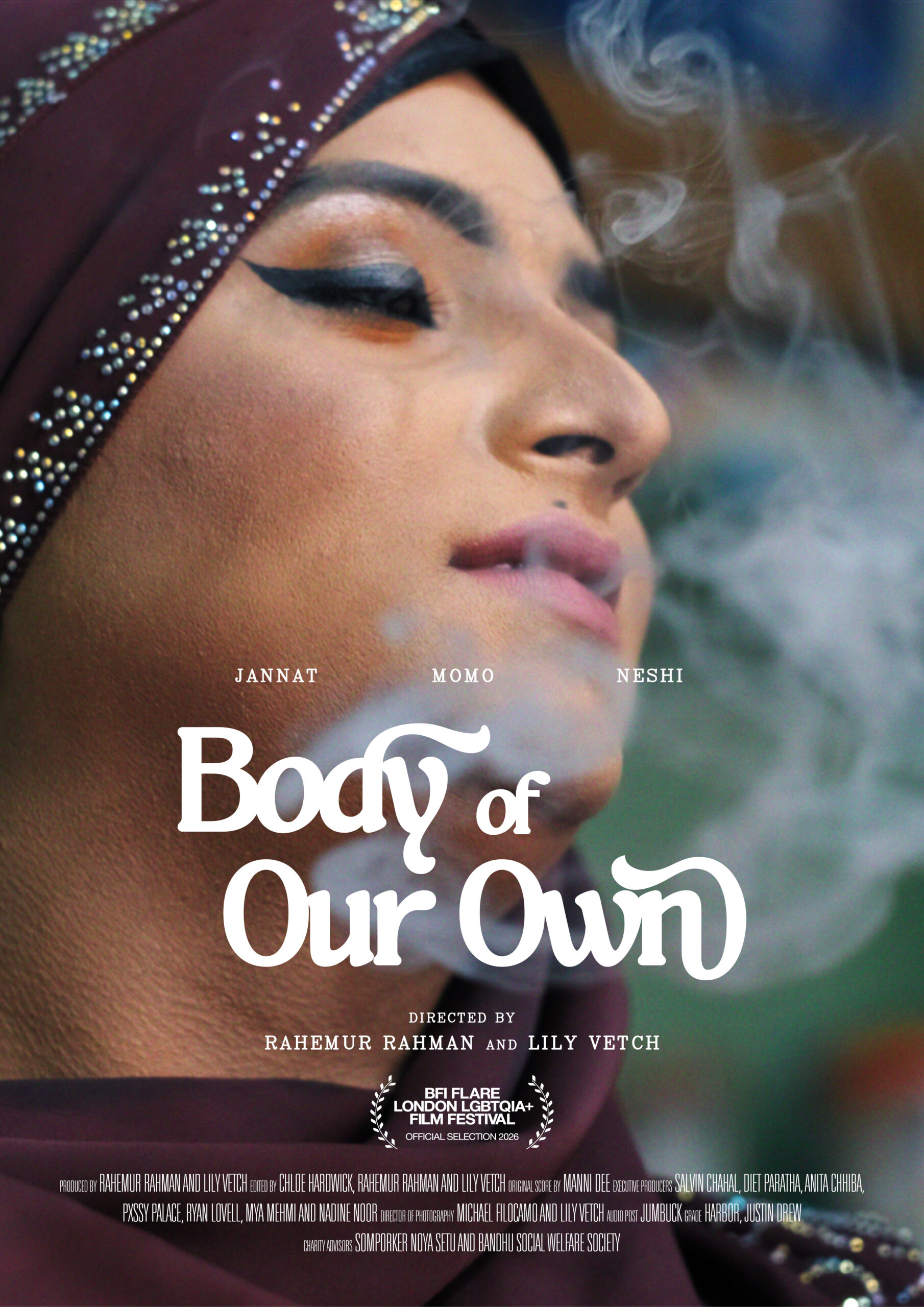
BODY OF OUR OWN - World Premiere at BFI Flare
Body of Our Own, directed by Lily Vetch and Rahemur Rahman, is a quietly powerful documentary
that resists easy categorisation. Built over seven years of intimate access and trust, the film follows the lives of Hijra women with a sensitivity that feels earned rather than constructed. What emerges
is not just a portrait of marginalisation, but a layered exploration of identity, community, and
survival.
What stands out immediately is the filmmakers’ relationship with their protagonists. As both Vetch
and Rahman describe, this wasn’t a distant observational project it was rooted in friendship, persistence, and shared vulnerability. That closeness translates on screen. The women are not
framed as subjects to be explained, but as fully realised individuals: humorous, ambitious,
contradictory, and deeply human. The film avoids the familiar pitfalls of documentaries about trans
communities that often lean into trauma or spectacle. Instead, it creates space for something more
balanced moments of joy, chaos, tenderness, and resilience coexist without hierarchy.
The structure reflects this ethos. Rather than forcing a linear narrative, the documentary unfolds in
fragments vignettes that mirror the unpredictability of the women’s lives. This approach, shaped by
the challenge of condensing over 120 hours of footage into a short runtime, gives the film an almost
impressionistic quality. It feels less like being told a story and more like being invited into one.
choice. Against the
backdrop of instability and social hostility, this stillness allows the audience to engage more deeply
with the women’s voices.
Visually, the film’s calm and measured atmosphere is a deliberate and effective It slows you down.
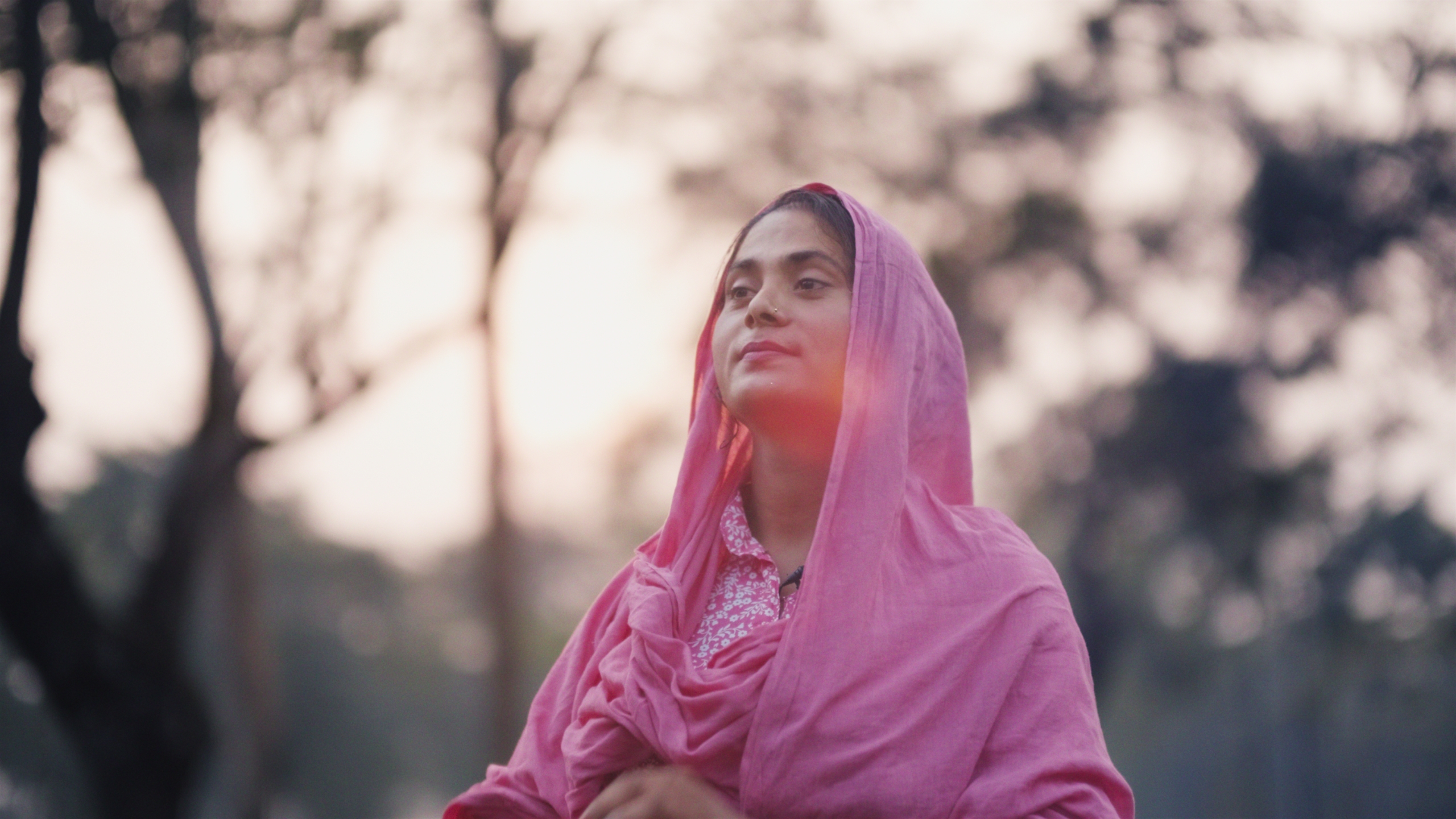
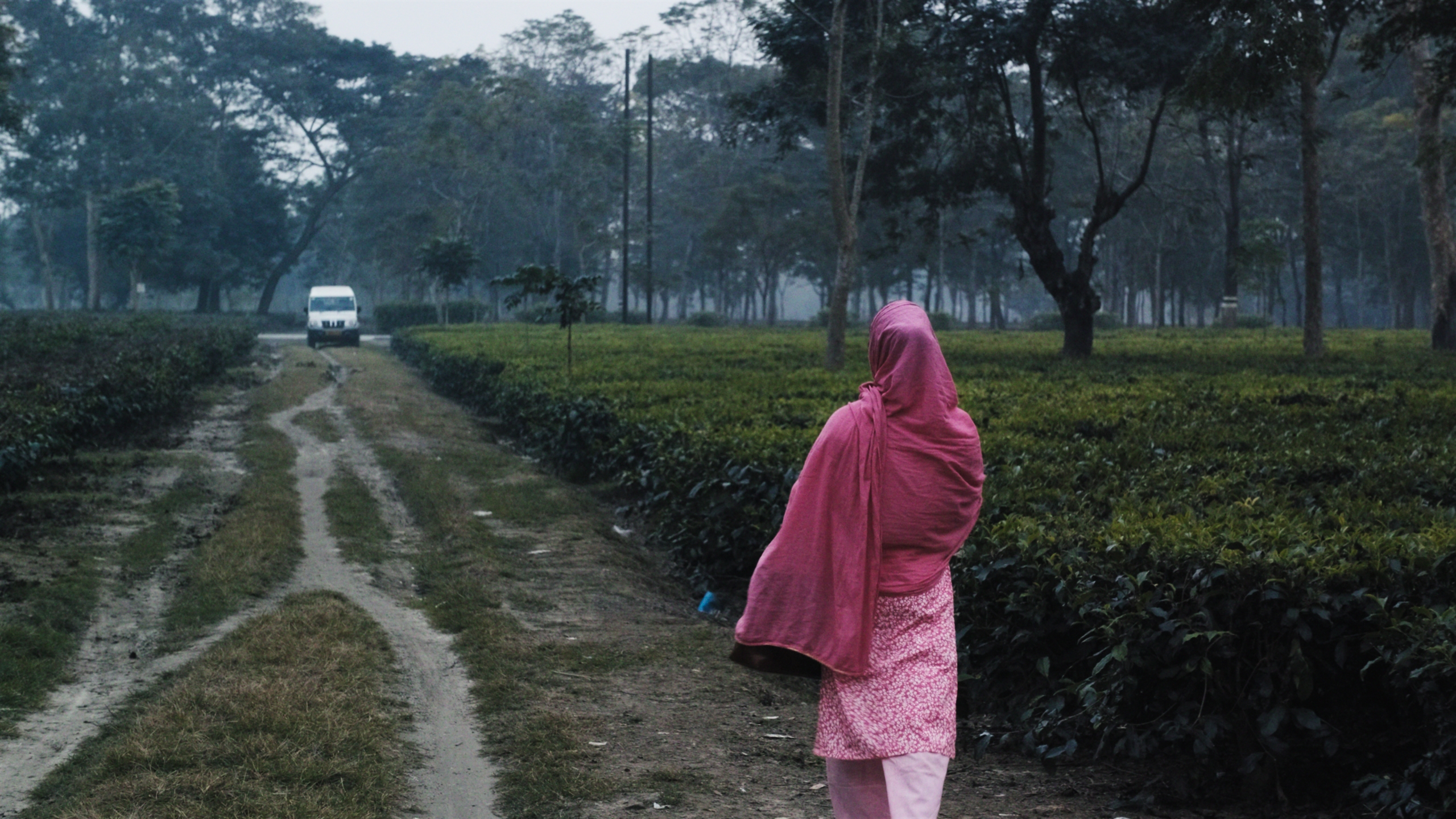
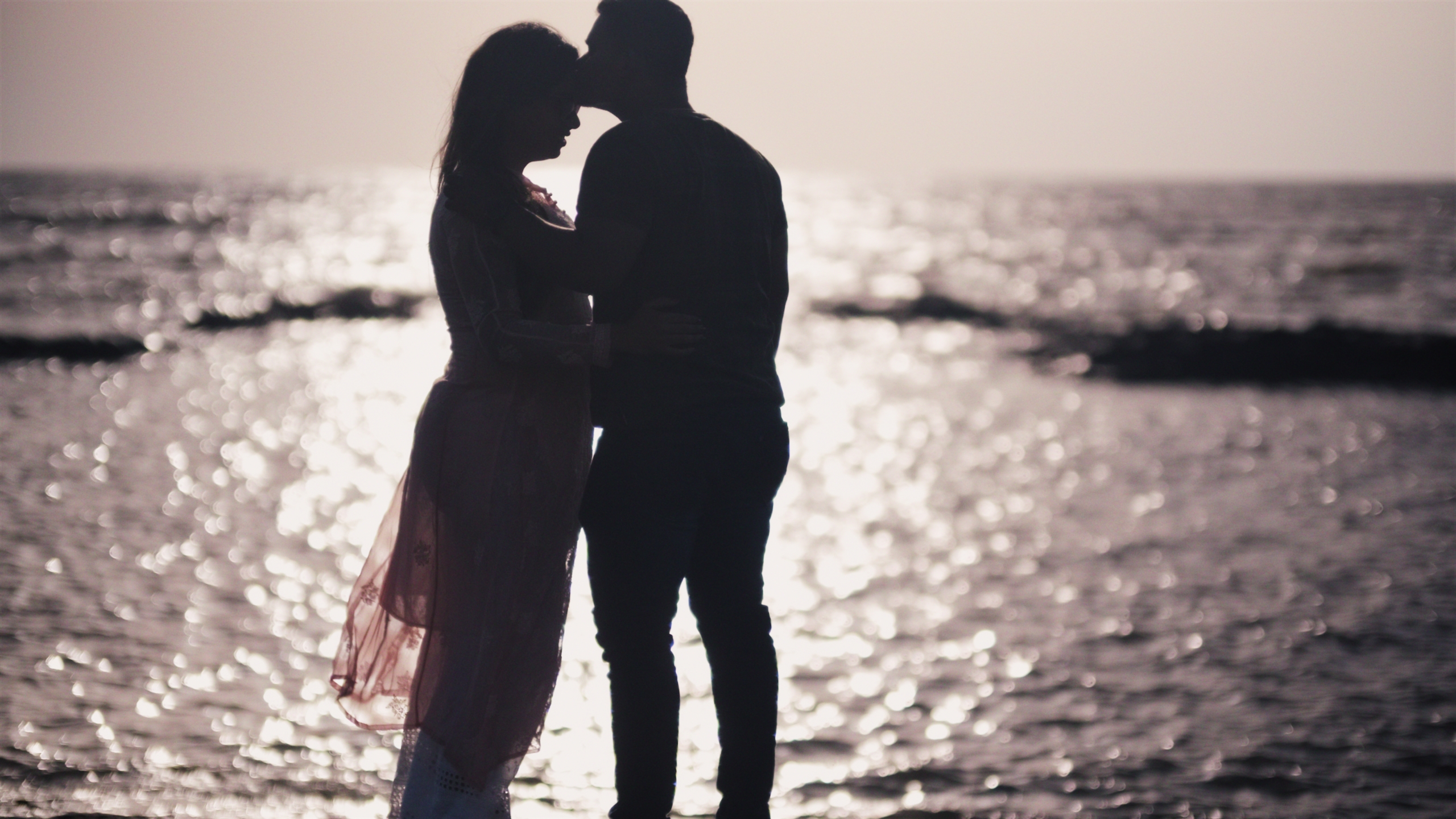
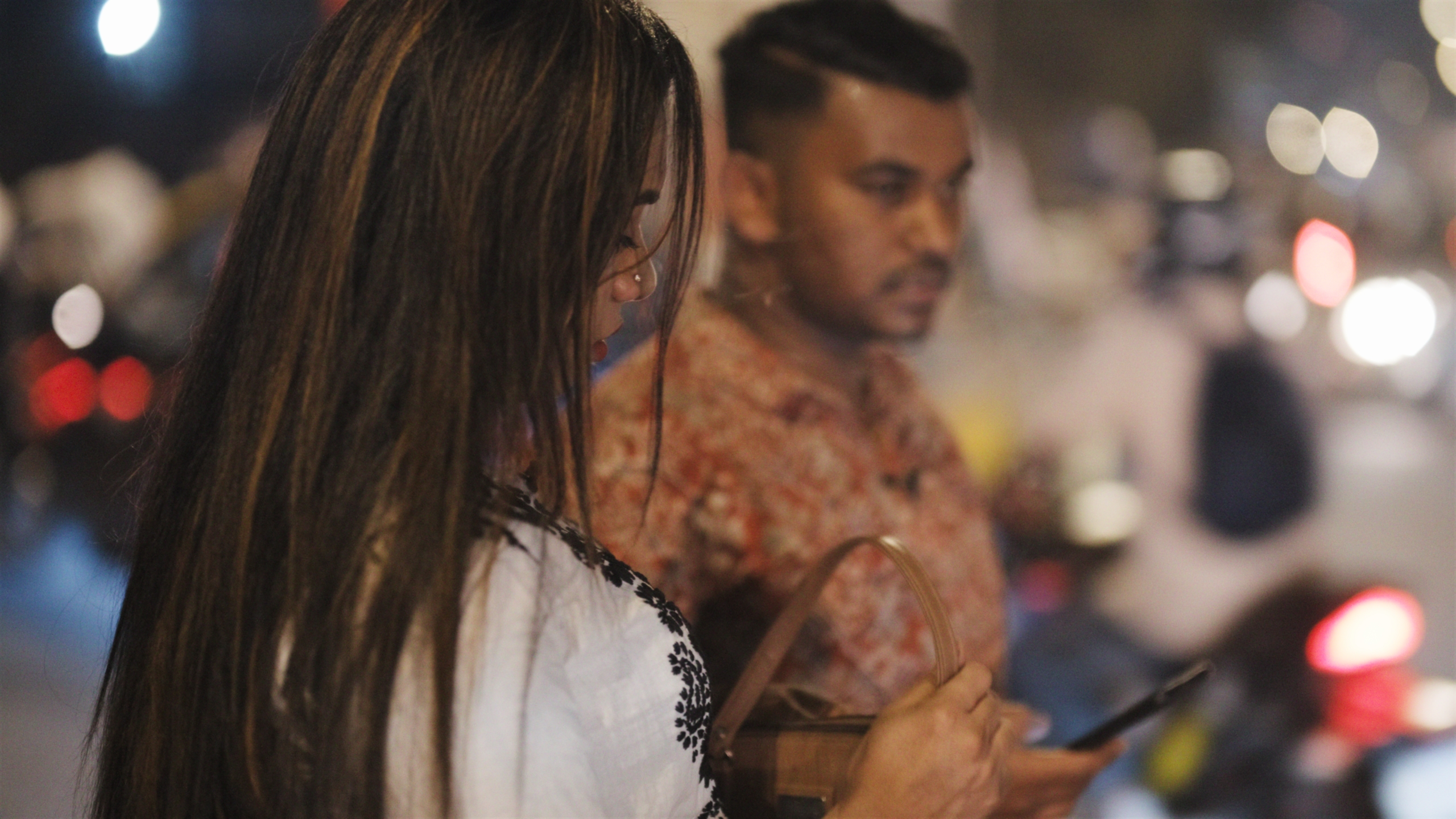
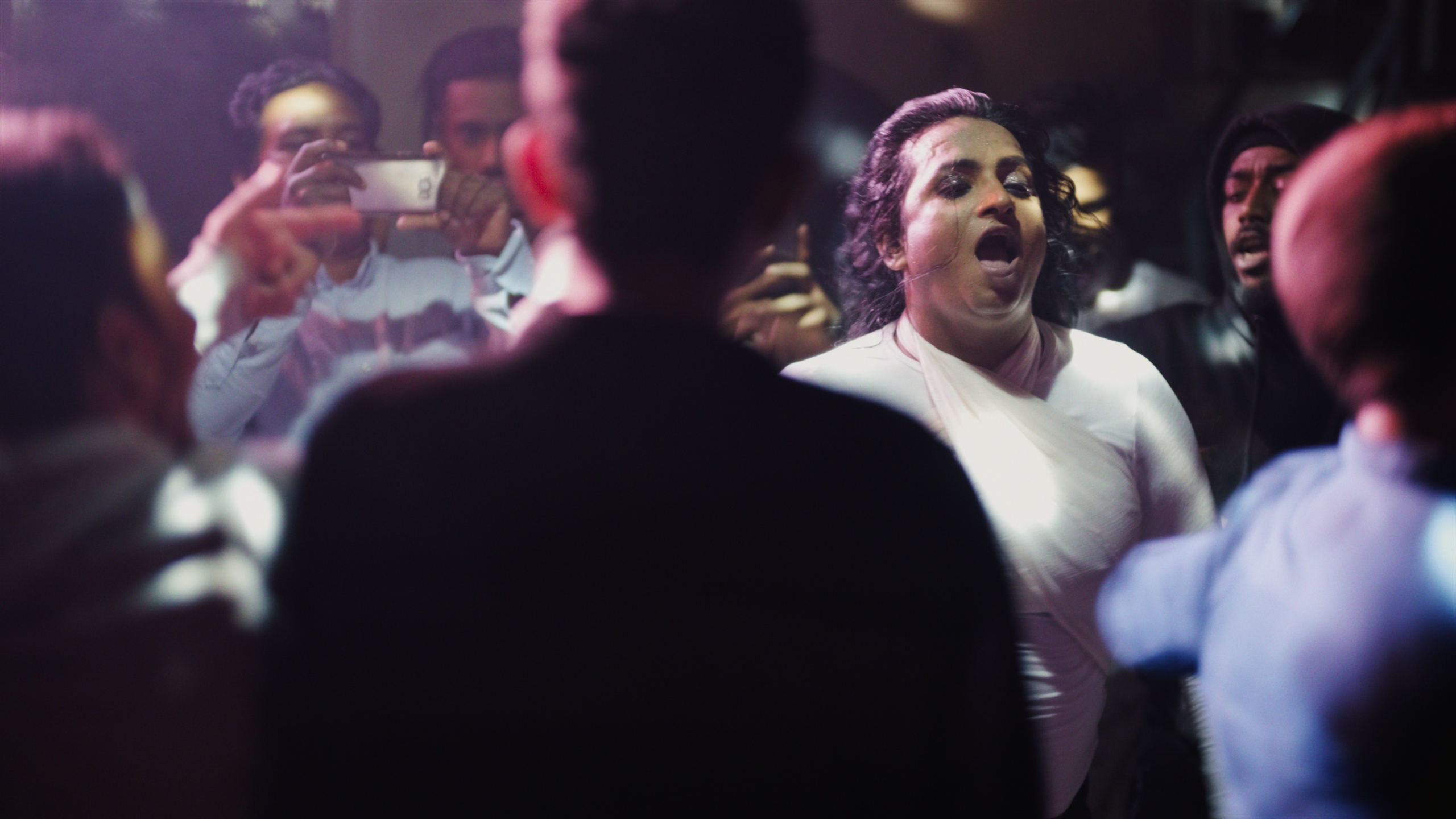
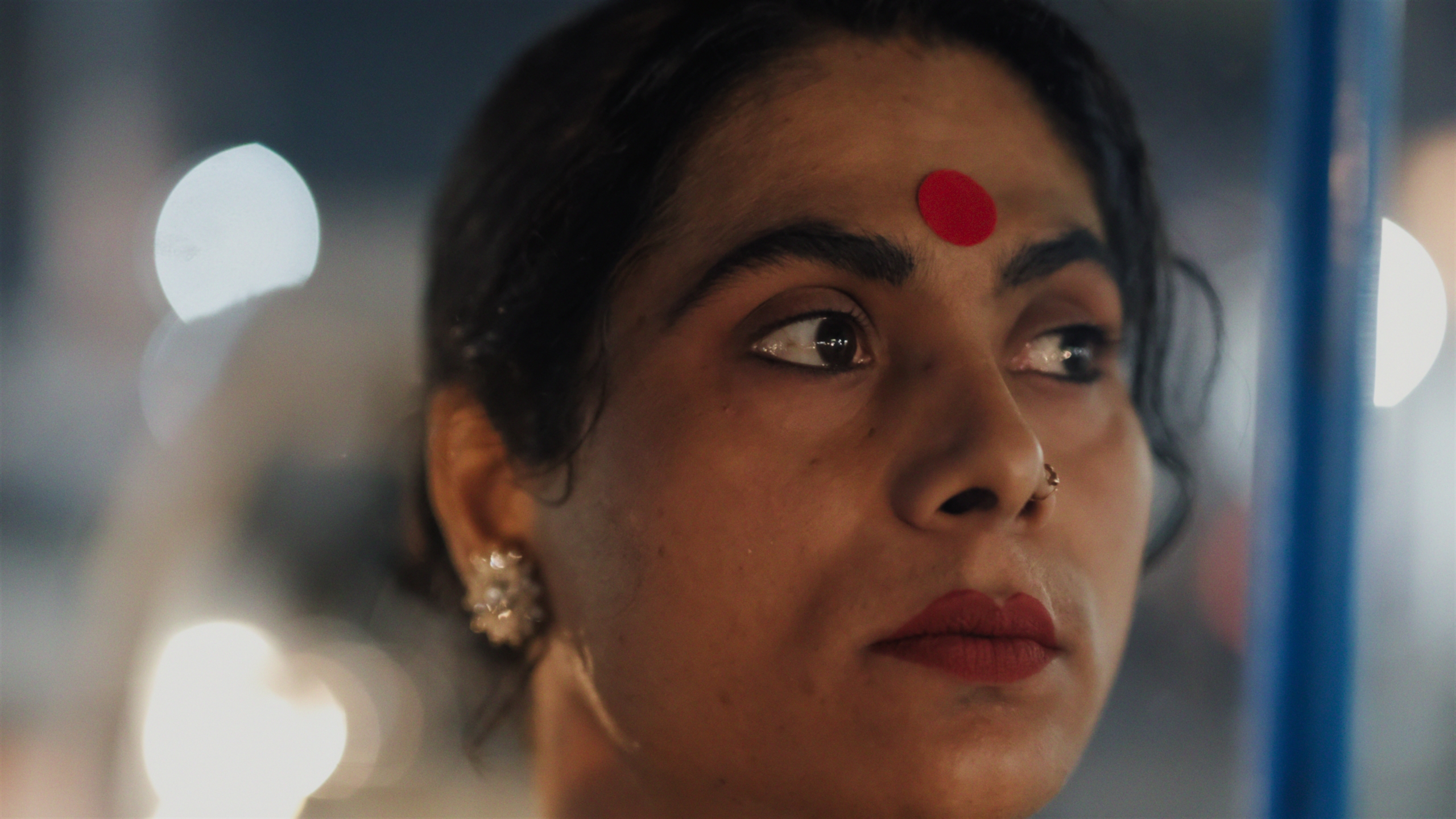
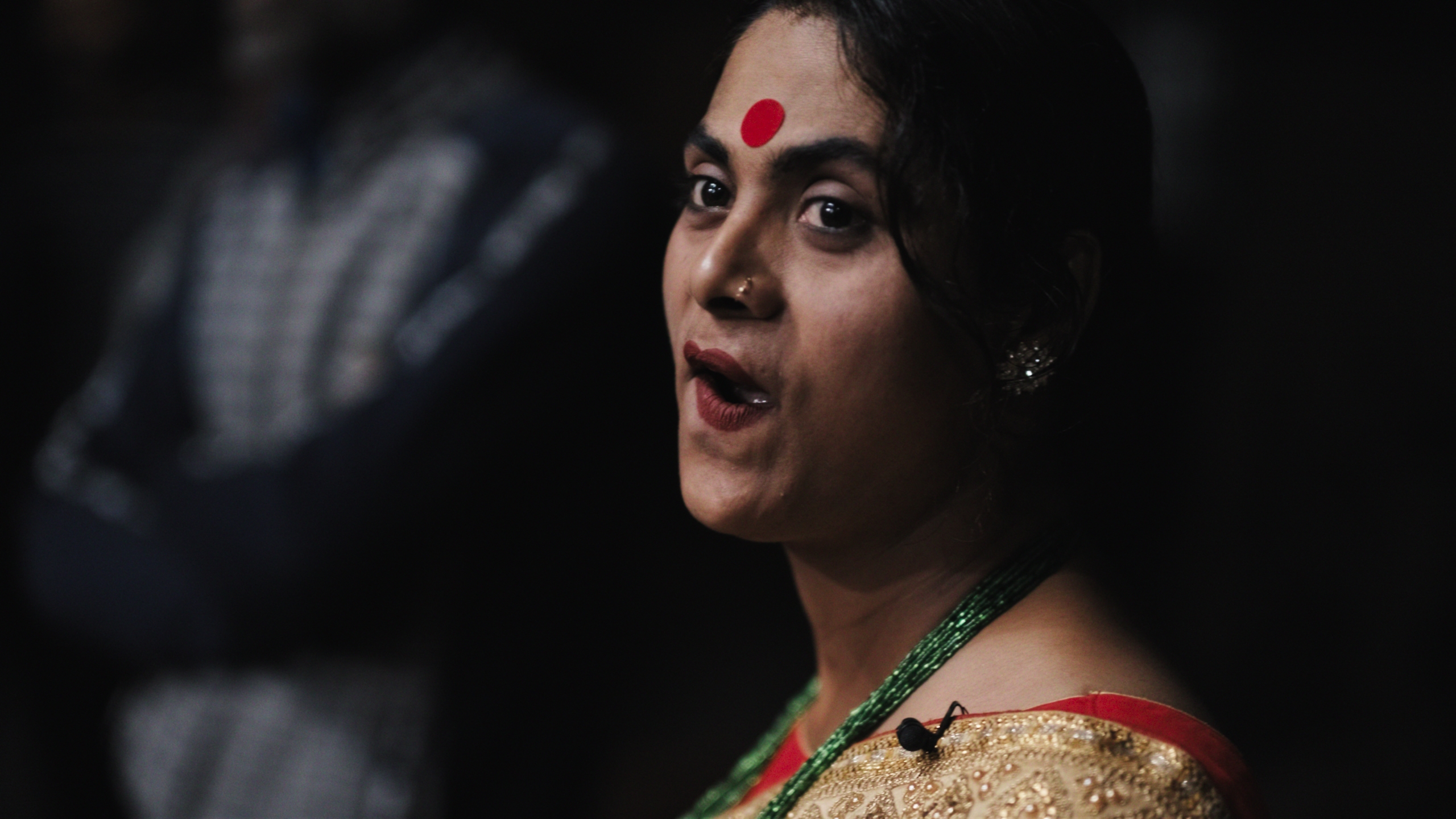
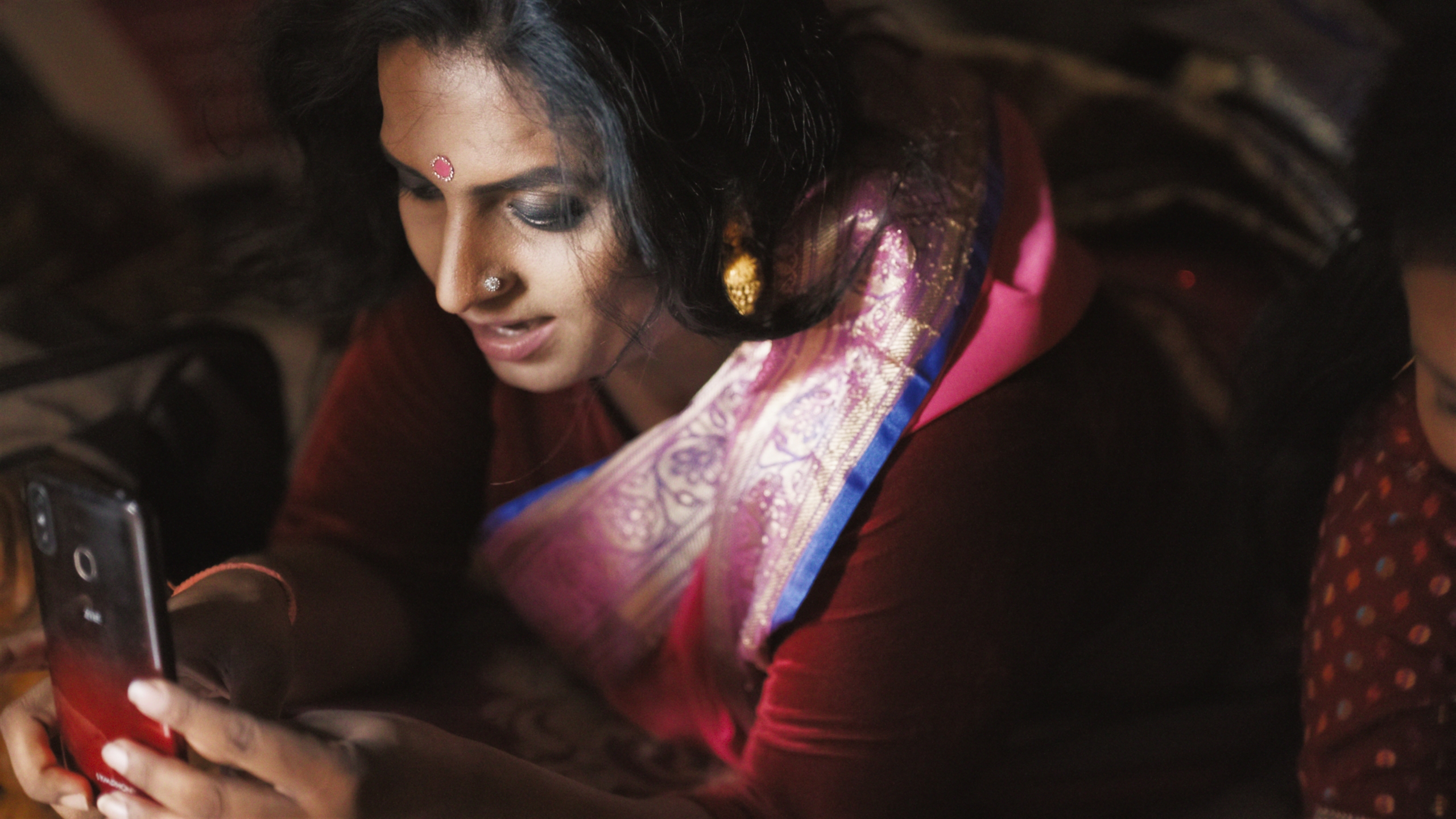
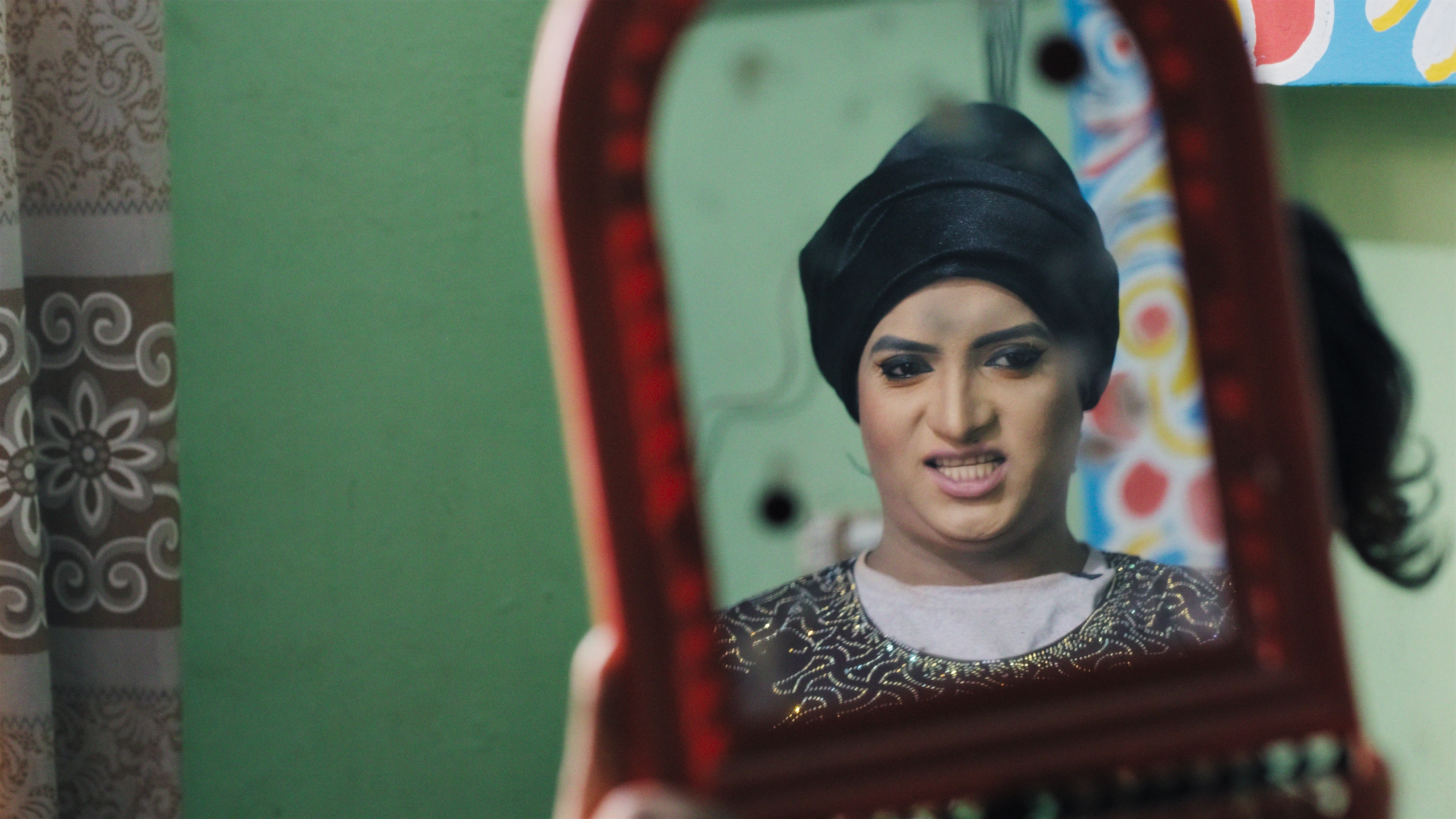
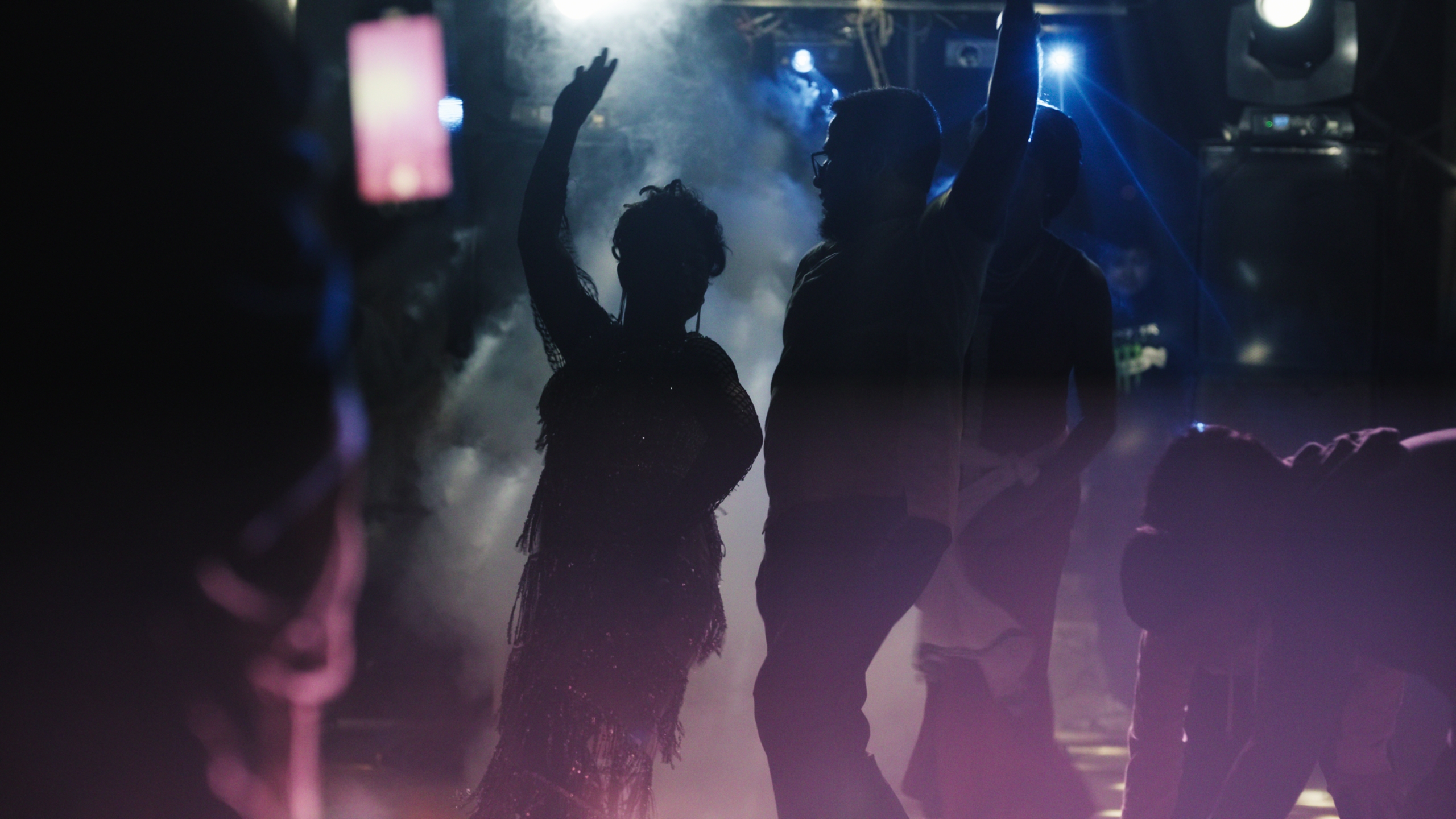
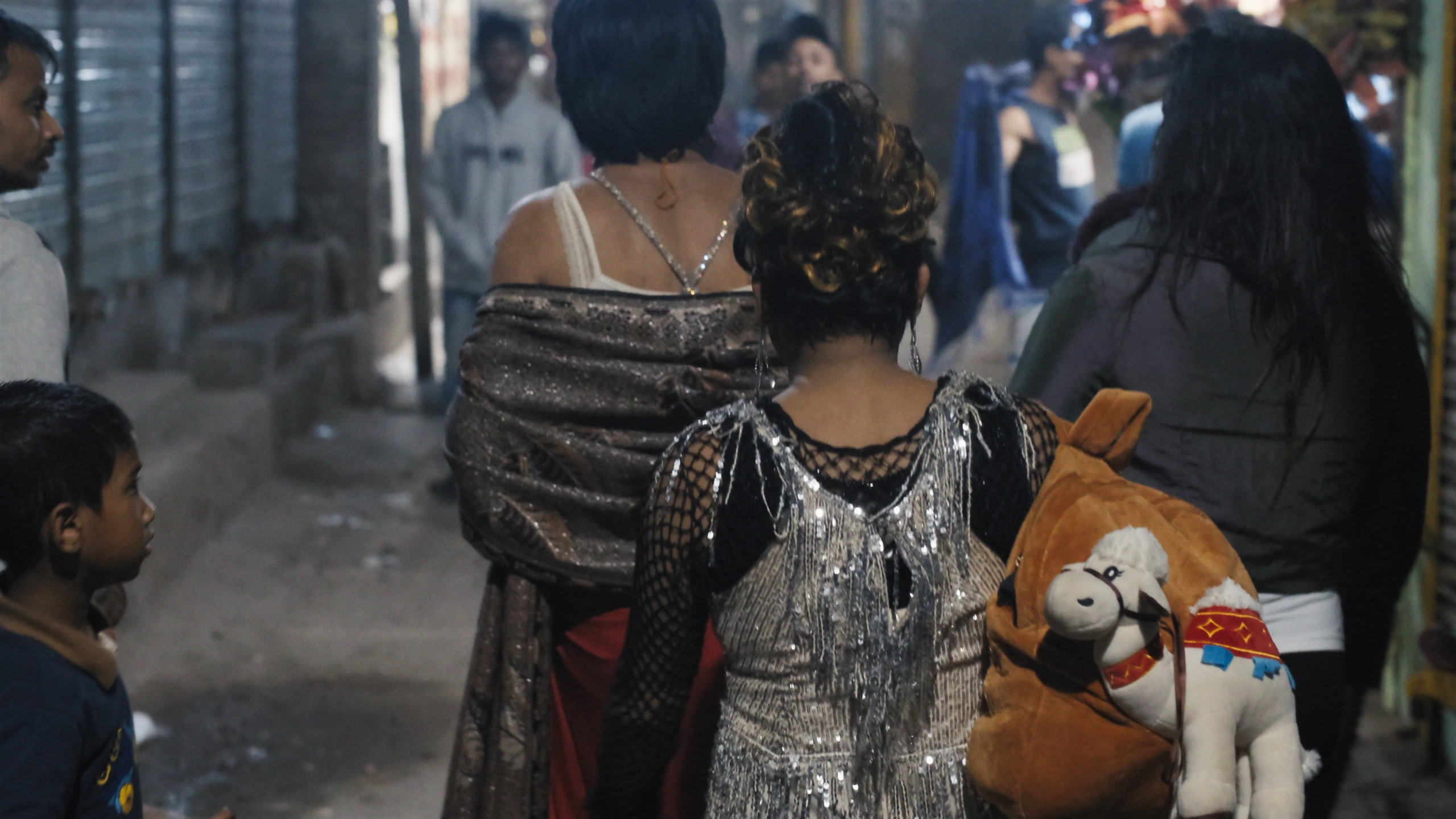
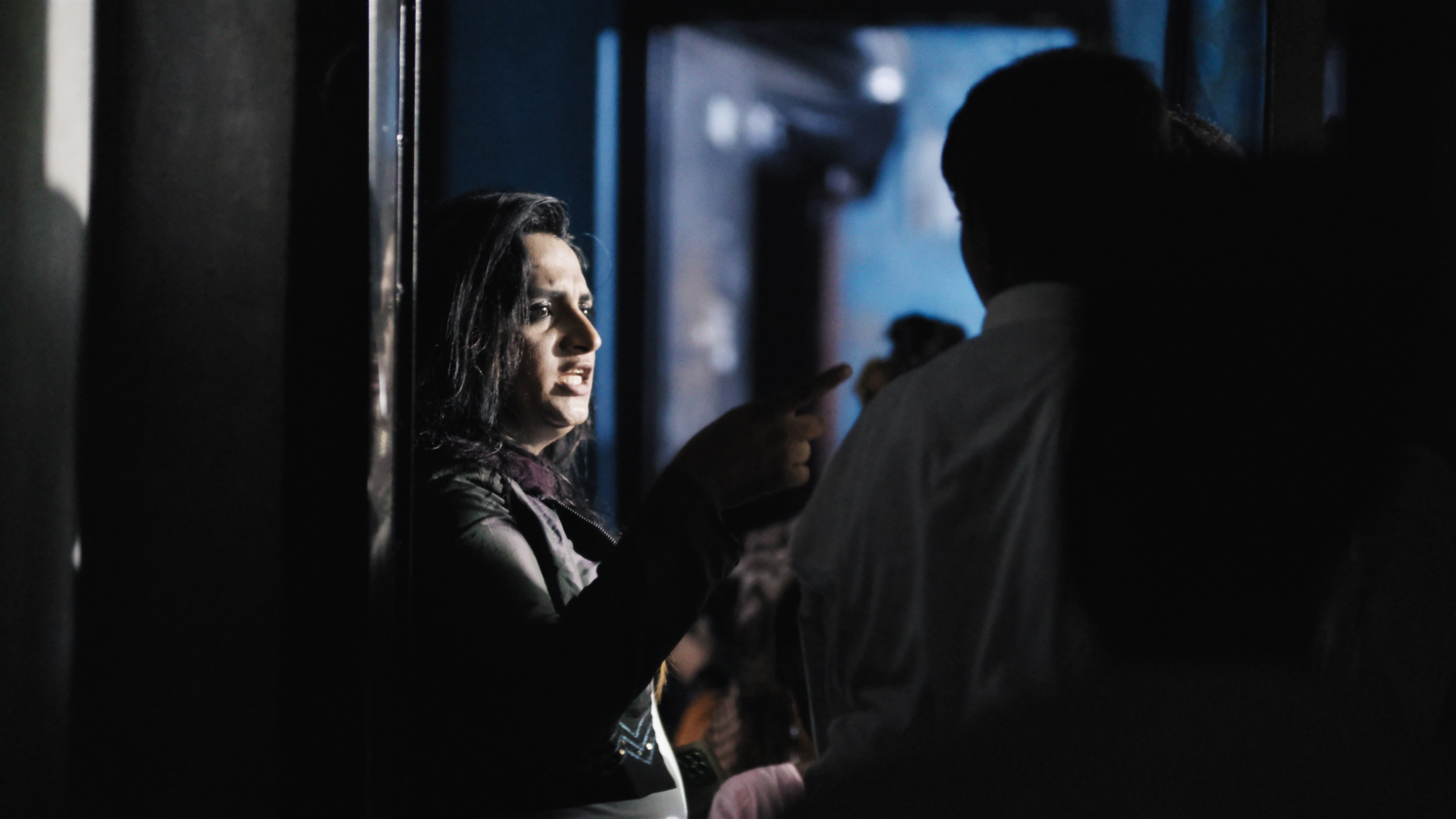

It asks you to listen. And in doing so, it creates a
striking contrast: a sense of peace that doesn’t erase struggle, but holds it with care.
One of the most compelling aspects of the documentary is its refusal to position itself as a “saviour”
narrative. Rahman’s reflection on the dangers of the “white gaze” and storytelling rooted in pity
rather than power is particularly important here. Body of Our Own actively works against that
tradition by centring collaboration and agency. The women are not reduced to symbols, they are
storytellers of their own lives.
From a personal perspective, what resonated most was how the documentary explores identity
through a spiritual lens. So often, discussions around trans identity especially in film focus heavily
on the physical aspects of transition. Here, there is a noticeable shift inward. The film engages with
deeper questions of existence, belonging, and self-definition. It invites the viewer to consider
identity not just as something embodied, but as something felt, negotiated, and, in many ways,
transcendent. That introspective layer adds a richness that lingers long after the film ends.
At its core, Body of Our Own is about connection between the filmmakers and their subjects,
between the women themselves, and ultimately between the film and its audience. It doesn’t offer
neat conclusions or easy resolutions. Instead, it leaves you with questions, as intended: about
society, about empathy, and about the systems that shape who gets to live freely.
It’s a documentary that trusts its audience and more importantly, trusts the people at its centre to
carry their own stories. And that trust makes all the difference.
Rahemur & Lily Q&A
1.What drew you to work specifically with these protagonists?
Rahemur: Through our charity collaboration with Joya Sikder’s Somporker Noya Setu, we were able to meet a lot of the Hijra women they work with. When we met Neshi for the first time, Lily and I were taken aback by her candid humour and haunting songs. We knew she was going to be one of our protagonists. Momo and Jannat used to live together in 2019 when we first met them. We went to their house and watched as they prepared for a dance and singing competition. Their entrepreneurial spirit was something we knew the world needed to see. Their combined three stories for us told an emotional but uplifting story. Our friendship with them is what allowed us to be so deep in their lives so we could showcase them in their reality.
Lily: We were so lucky. The day after I flew into South Asia, Joya – as Rahemur mentioned – introduced us to the three women. People spend years searching for the right characters. These were the first women we met, and they were extraordinary. Charismatic, fearless, kind, and raw — a dream combination. Despite coming from completely different worlds, I connected with them on a deeply human level.
2. How did you build trust with the Hijra women and create a space where they felt comfortable sharing such personal aspects of their lives on camera?
Rahemur: I couldn’t help but be obsessed with their strength and power. When we started filming I was just coming to grips with being ostracised from my family for my own queerness. This allowed me to have a deep connection to their longing for safety and stability in society. I too wanted the same things as them but in London. Through many conversations with Lily, we both agreed that the documentary would showcase their humanity in the hopes the audience find empathy to see themselves in these women too. I have learnt over time that humanity doesn’t like to help people they don’t understand. My hope is this film helps people understand the Hijra community better.
Lily: Rahemur and I are open, warm people – I think that helped the women feel safe with us. We never judged, never put walls up. We celebrated their quirks, their eccentricities, and above all saw each other as human beings. We also didn’t disappear. I think at first they were confused – maybe even amused – by our persistence, showing up again and again until eventually we were just part of the furniture.
3. Were there any moments, themes, or perspectives that you wish had made it into the final cut but didn’t?
Rahemur: An element we had to leave on the cutting room floor was Momo going to school to learn how to be a secretary. What was humorous was how school was just a backdrop for her to play dress up with the hopes of going viral on social media. She saw herself as a leader, a trail blazer, a visionary, and going to school to get a laptop and qualifications only amplified this. In the end, we had to cut it to make room to tell the other girls’ story a little more in depth. The balance of storytelling when you have over 120 hours of footage was the hardest part.
Lily: On the first trip we interviewed a young girl called Noorjahan. She was fifteen, recently rescued by Jannat. After the pandemic she disappeared. We spent a long time searching through every contact we had – nothing. She was simply gone. It was a haunting reality check. These women can vanish so quickly, especially now, as more rights are stripped away from them in India.
4. Did you have to leave out any particular scenes that were especially meaningful to you?
Rahemur: There are a few scenes that we didn’t have the time or space for in our 25 minutes. One that comes to mind is when Momo went to a rural town to see her friend and Chela (daughter/disciple). We saw as she left her comfortable life to support her friend who was severely ill. Momo went begging for her, Momo did the money making tasks and handed every penny to her Chela. I loved how this showed a different part of Momo. Her kindness. Her leadership. Her longing for community. Lily and I spent over a week there with her and her community, documenting her being a GuruMa (mother/leader). My favourite part was before we left she wore a white wedding dress she found to a house party.
Lily: There was one scene where Momo’s neighbours held a circumcision party for two young boys. That was an extraordinary experience. They had a house party in their living room and Momo got spectacularly drunk and flirted with all the boys, it was incredible footage.
5. What was your main purpose or vision when creating this documentary?
Rahemur: Since 2019 when Lily and I started this documentary. We have been privileged to be in community with so many trans and queer south Asians from all over the world. Our fight for trans rights and trans safety is paramount to this film. Body of Our Own acts a conduit for our collective liberation. If trans people around the world are not free, history has taught us all that we are not free. The injustices we overlook in marginalized communities are a warning sign of what’s to come for society. Through giving these incredible women a platform to tell the world their stories and realities, we hope people see their fight as their own. We hope people see themselves in these women.
Lily: A lot of films about the transgender community follow a repetitive formula – and rather than doing justice to the people they portray, they often end up stigmatising them. We wanted to bring something fresher, rawer, and more bittersweet to the screen; a film where their voices weren’t just included but were genuinely central to the story. Of course, your editorial choices will always carry traces of your own perspective – that’s unavoidable – but we hope what comes through above all else is that this was a deeply collaborative process.
6. What do you hope audiences feel and understand after watching the film?
Rahemur: I hope the audience leave with questions about Hijra history and present. I hope the audience ask themselves why the world around these women treat them like this. I hope the audience learn something new and speak to their friends about these incredible Hijra and trans women. Without this curiosity we can’t begin to speak about action and liberation.
Lily: That entrenched biases should be questioned.
7. After spending seven years with these women, what has stayed with you the most from that experience?
Rahemur: When we started filming I was a deeply traumatised young queer person. Through spending 7 years with them I have learnt to love myself so ferociously and not filter how I authentically want to present myself. I have learnt so much about the politics of the world and how our collective liberation is in our hands. Sadly, what I also learnt was how the white gaze on subjects through the lens of saviourship has not allowed Hijra women tell their own stories with power and not pity. I have learnt what type of filmmaker and story teller I want to be.
Lily: Community is vital to how human beings survive and thrive – and making this film showed me that more viscerally than anything else. I watched as friends and chosen family carried the girls through some of their darkest moments, holding them up when little else could. They humbled me. They taught me how to find joy precisely where you’d least expect it.
8. Having spent so much time with them, where do you think their confidence and strong sense of self come from?
Rahemur: When the world scrutinises who you are, where you work, where you get to live, how you get to live and what your safety looks like. A people have two choices; conform to what society has pre decided or liberate yourself and have a zero fucks given attitude. Their strong sense of confidence and self was formed in their sadness and loneliness. The trauma of accepting that being your authentic self means ostracism becomes a foundation where you rebuild who you are. You get to redefine yourself, how you live, and what your safety looks like. If the world wasn’t so hard on trans and Hijra women they wouldn’t have to go through this trauma.
Lily: As Rahemur says, when you’ve been broken down that far – when that much dignity has been stripped away – and you still find the strength to re-enter the world, something shifts in you. It becomes a source of power. Every time they were knocked down, they got back up harder. And when you’ve been through what they’ve been through and you know – you truly know – that you can get back up again, life loses some of its ability to frighten you. What made our relationships so special was the humour we shared: dark, naughty, and completely fearless. That comes through in the film, and I’m glad it does.
9. The film’s visual atmosphere feels very calm and peaceful, even while addressing themes of uncertainty and struggle. What inspired this contrast?
Rahemur: Everything we did in the documentary was purposefully done to make sure the audience understand complex things we were trying to explain through the women’s words. We needed the atmosphere to feel calm so the audience could read the subtitles and slowly immerse themselves in their world. Where the pace picks up we knew had to have minimal dialogue so the audience could take in the visuals. Lily and I both started in fashion so the overall image and experience was paramount.
Lily: There is so much being thrown at the audience that without moments of calm, the content becomes impossible to process. That stillness was a deliberate choice – it gives people the space to sit with what they’re watching rather than being pushed through it. We never wanted our editorial hand to press down on their stories or colour them with negativity. The atmosphere had to let the footage breathe and speak for itself.
10. How did you approach the editing process—what guided your decisions on which moments to include or leave out?
Rahemur: In 2019, Lily and I were so sure Body of Our Own was a feature length documentary. In 2025 when we started editing the film together, we knew we had to consolidate the film into a short to make sure the film was released in 2026. We fought to keep the essence of what we wanted from the beginning, and had to compromise where budget was a factor. We curated all the footage into as many little mini scenes as we could and through a grueling 8 month process where we had to accept what couldn’t make the Final Cut. For both of us the story was the most important part, and if it was cohesive and showed depth. What centered the film was our intentions with what we wanted the audience to take away.
Lily: The edit was an eight-month process. We wanted it to feel as though you were dipping into small vignettes of their worlds – intimate glimpses rather than a comprehensive account. Each subject carries her own character arc across the 25 minutes, and that sense of individual journey was important to preserve. But we also needed to capture how hectic and unpredictable their lives truly are, which is why the pace can feel relentless at times. Life in South Asia’s cities moves at a kind of controlled chaos – and we wanted the audience to feel that whirlwind from the inside.
